
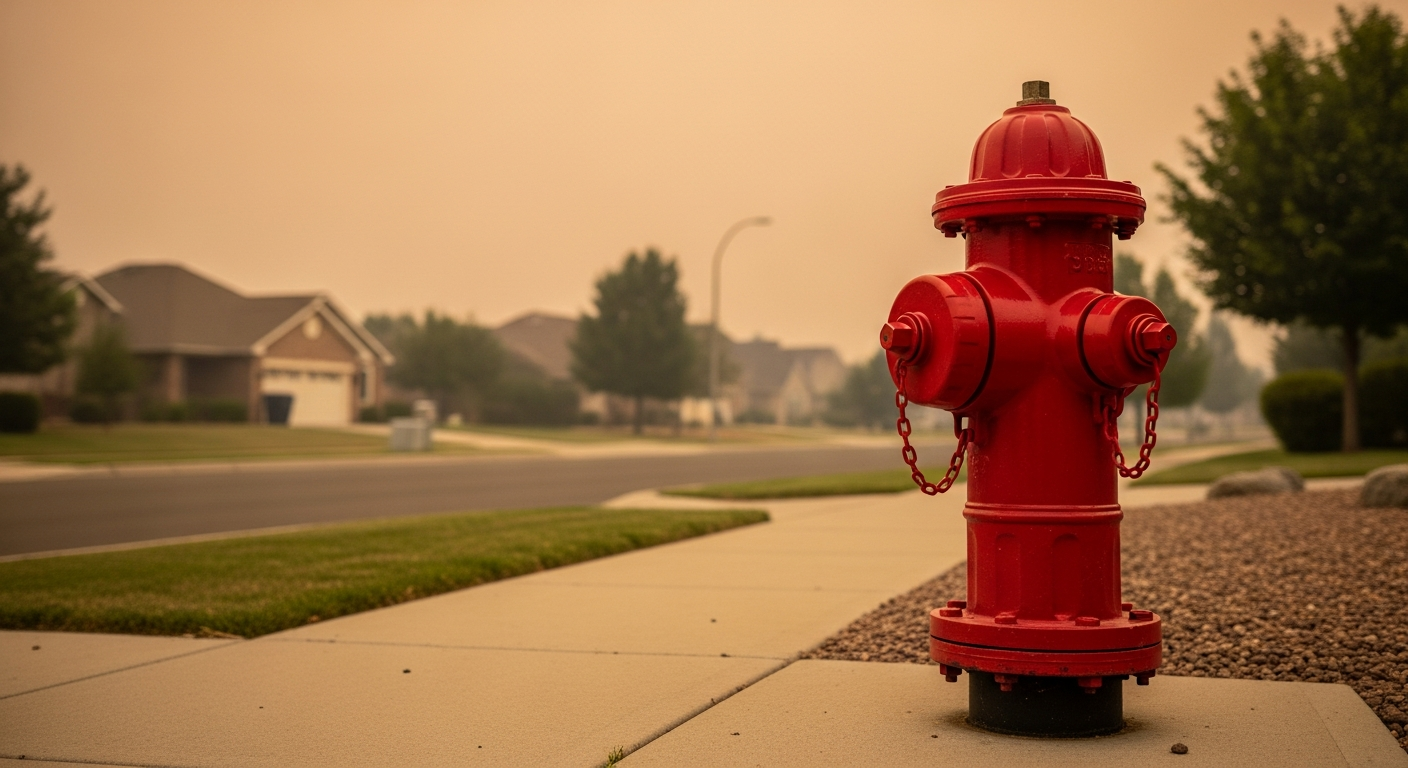
In the face of increasingly destructive wildfires across California, one critical component often overlooked in disaster preparedness is plumbing. While we usually think of plumbing as a system to deliver water to our homes and take waste away, its role in wildfire prevention and mitigation is both undervalued and underutilized. The January 2025 Southern California wildfires tragically highlighted how a lack of preparedness in water infrastructure can exacerbate devastation. It's time we rethink plumbing as an essential, life-saving resource that deserves more attention, investment, and education.
The problem: a lack of plumbing preparedness
During the most recent wildfires in Southern California, systemic failures in water infrastructure hindered firefighting efforts:
- Dry fire hydrants. Approximately 20% of hydrants in Pacific Palisades ran out of water, leaving firefighters unable to control the flames in critical areas.
- Low water pressure. High demand overwhelmed local water systems, making it difficult to maintain sufficient pressure for firefighting operations.
- Inadequate storage. Communities lacked sufficient water reserves to handle the scale and speed of the wildfire spread.
These failures aren't isolated incidents. They are symptoms of a broader issue. As we continue to face longer fire seasons fueled by climate change, our plumbing and water systems must evolve to keep pace with the growing threat.
The untapped potential of plumbing in wildfire mitigation
Plumbing is about more than pipes and faucets. It's about water as a life-saving tool. When used strategically, plumbing infrastructure can become a frontline defense against wildfires.
Fire suppression systems for homes
- Exterior sprinkler systems can wet roofs, walls, and surrounding vegetation, preventing embers from igniting structures.
- Water tanks with pump systems (independent storage equipped with high-pressure pumps) can deliver water to sprinklers and hoses even if the municipal supply is compromised.
Strategic water storage
- Cisterns and rainwater harvesting systems let homeowners collect and store water to create defensible spaces around their homes.
- Community storage reservoirs allow local governments to ensure sufficient water for firefighting during emergencies.
Fire-resistant landscaping
Through irrigation systems and smart plumbing, homeowners can maintain defensible spaces with fire-resistant plants and properly hydrated vegetation, reducing the fuel available to fires.
Plumbing as critical infrastructure
On a larger scale, plumbing systems must be designed with wildfire resilience in mind:
- Firebreak irrigation systems. Communities can install irrigation networks that create moist barriers around urban areas, slowing the spread of fires.
- Upgraded fire hydrants. Investing in hydrants with improved water flow and pressure gives firefighters the tools they need to combat fast-moving fires.
Lessons from the 2025 wildfires
The Southern California wildfires revealed the devastating consequences of underfunded and undervalued plumbing systems. The lack of water in key areas contributed to the destruction of over 12,000 structures and a death toll of 16 people. Insufficient hydrants and water pressure left entire neighborhoods defenseless as flames advanced. Had the water infrastructure been more robust, lives could have been saved, and the destruction mitigated.
What homeowners and society can do
- Educate yourself. Understand how plumbing can protect your home. Work with professionals to evaluate your property's water systems and consider upgrades like fire suppression sprinklers or water tanks.
- Advocate for investment. Communities need to push for better funding for public water infrastructure, including fire hydrants, reservoirs, and irrigation systems.
- Embrace sustainability. Rainwater harvesting, greywater reuse, and smart irrigation systems not only conserve water but also help create wildfire-resistant properties.
- Value plumbing professionals. Plumbers and plumbing contractors are essential to building resilient infrastructure, critical partners in disaster preparedness, not just leak fixers.
Plumbing deserves respect and investment
As a society, we must recognize the value of plumbing in protecting lives and communities. From individual homeowners installing sprinklers to governments upgrading hydrants and reservoirs, the solutions exist, but they require commitment, education, and investment. Let's stop thinking of plumbing as an invisible convenience and start seeing it for what it truly is: a critical lifeline.
Got a plumbing question?
Call Mon–Fri 8–4:30 and we answer live; after hours, leave a message for an emergency callback. Non-urgent? Send a service request online.